Coastal Storm Surge and Climate Change: Now is the time to prepare
Ottawa, October 30, 2014 — Coastal planners and infrastructure designers must start preparations to prevent property damage and loss of life from extreme weather events now, according to the Canadian Climate Forum (CCF).
By 2100, sea levels in Atlantic Canada are expected to be between 20 cm and one metre higher than today’s levels. In Forecasting a Sea of Change, a paper released today, the CCF highlights the stakes involved and the importance of considering the more extreme scenarios of sea level rise.
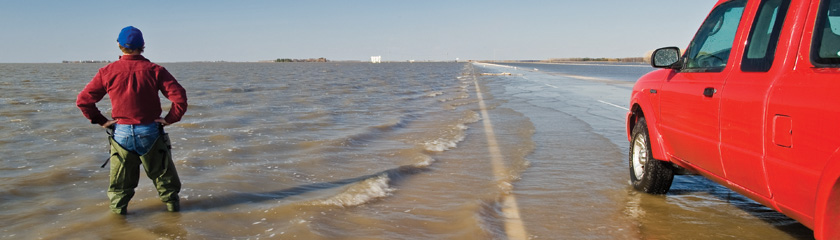
A recent study of the Tantramar region of New Brunswick found that in the next century under current climate projections, storm surges and flooding will cost the region an additional $10 million each year, some 22 per cent above current costs.
“Canada has more than 240,000 kilometres of ocean shoreline, more than any other country in the world,” said Jim Abraham, a member of the CCF Board of Directors. “The reality of ongoing sea level rise is something we have to pay attention to and prepare for now,” he said.
In 2003, Hurricane Juan tore through Atlantic Canada, making landfall near Halifax, Nova Scotia. It caused $300 million in damage, killed eight people and left hundreds of thousands of Maritimers without power. As the global climate changes, extreme weather events are likely to become stronger. Coastal regions like Atlantic Canada face a unique set of risks.
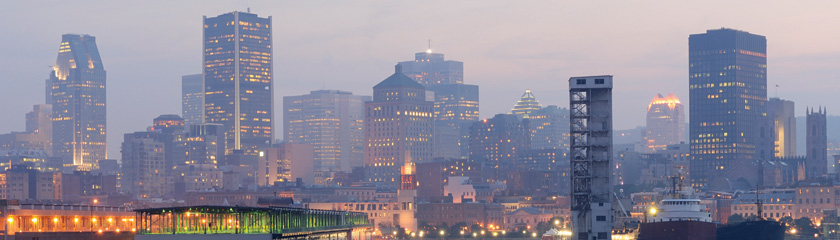
Relative to today’s mean sea level, a 1.9 metre storm surge in Halifax, Nova Scotia can be expected once every 300 years. In the future, with projected rises in sea level and land subsidence, a 1.9 metre storm surge could occur every ten years. This illustrates the significant negative impact on coastal cities such as Halifax, which would experience widespread waterfront flooding. “Within 40 years, flood damage to coastal houses due to climate-related sea-level rise and storm surges could cost between $1 and $8 billion per year,” said Abraham.
The combination of the increased use of “ensemble-based techniques,” which combine information from various forecasts, and expected advances in other modelling tools over the next five years will provide planners with new data to help protect Canadians from extreme weather events in coastal communities.
“We cannot ignore extreme sea level rise scenarios just because uncertainty exists and the probability of a major event is low,” said Abraham.
The paper also outlines some of the other consequences of climate change on Atlantic Canada, including ocean acidification, which could have a significant impact on Canada’s $2 billion commercial fishing industry.
Contact:
Jim Abraham
Canadian Climate Forum
(902) 444-2195
(902) 717-0026 cell
@CdnClimateForum
October 2014: Oct 2014 CCF Newsletter